


Ever stumbled upon the Pope card game and wondered how to master it? You’re in the right place! Whether you’re a total newbie or someone who’s played a couple of rounds, understanding the strategies behind this intriguing game can take your gameplay from meh to wow. Let’s dive deep into the world of the Pope card game and uncover the secrets of its strategies. Check out sportswing.co to know more
First things first, let’s clear the air. Is Pope a card game? Absolutely! The Pope card game is a thrilling mix of strategy and luck that keeps players on their toes. It’s a game where the right card can turn the tables and give you the edge you need to win.
The Pope card game uniquely combines strategy and luck, offering players a dynamic and unpredictable playing experience. Unlike many games that rely solely on chance or skill, the Pope card game requires both. Players must be prepared to think several moves ahead, while also being ready to capitalize on the cards they’re dealt.
The objective of the Pope card game is straightforward: accumulate the most points by the end of the game. Players achieve this by winning rounds, each of which can be influenced by strategic card play. While the rules may seem simple, mastering the nuances of the game requires a keen understanding of both strategy and timing.
One of the most exciting aspects of the Pope card game is its element of surprise. Even seasoned players can’t predict every twist and turn, making each round a new challenge. This unpredictability is what keeps the game engaging and ensures that no two games are ever the same.
How to Set Up the Game
To kick off the game, start by shuffling the deck thoroughly. Deal a certain number of cards to each player, depending on how many are playing. The remaining cards form the draw pile, which players will draw from throughout the game. And just like that, you’re ready to play!
Preparing the Deck
Preparation is key to a smooth game. Begin by ensuring that your deck is complete and free from any duplicates or missing cards. A thorough shuffle is crucial to ensure randomness and fairness in the game. Consider using various shuffling techniques to mix the cards well.
Dealing the Cards
The number of cards dealt to each player can vary, but it’s essential to ensure that everyone starts with an equal hand. This initial hand is your strategic foundation, so pay close attention to the cards you receive and begin formulating your plan from the outset.
Establishing the Draw Pile
The draw pile is a critical component of the game, as it introduces new cards into play. Place it centrally on the table, accessible to all players. Throughout the game, players will draw from this pile, adding a layer of unpredictability and excitement to each round.
Key Strategies for Winning the Pope Card Game
Now that you’ve got the gist of the game, let’s get into the juicy part: strategies that can help you win.
Play Smart, Not Hard
The cardinal rule of the Pope card game is to play smart. This means being strategic about the cards you play and when you play them. Don’t just throw out your high cards early; save them for when they can make the most impact.
Timing is Everything
The key to playing smart lies in timing. Knowing when to play certain cards can make all the difference. Early rounds might require a more conservative approach, while later rounds could be the perfect time to unleash your high-value cards for maximum impact.
Reading the Table
Being observant is crucial in the Pope card game. Pay attention to the cards played by your opponents and their reactions. This information can provide valuable insights into their strategies and help you decide on the best course of action.
Strategic Sacrifices
Sometimes, letting go of a round can be advantageous. By sacrificing a round, you might set yourself up for a stronger position in the next one. Strategic sacrifices can lead to long-term benefits, especially if they disrupt your opponents’ plans.
Keep Track of Cards
One of the simplest yet most effective strategies is to keep track of the cards that have been played. This gives you an idea of which cards are still in play and helps you make more informed decisions on which card to play next.
Memory Matters
A good memory is a powerful tool in the Pope card game. By remembering the cards that have been played, you can deduce the possible options remaining in the draw pile and in your opponents’ hands. This knowledge can guide your strategic decisions.
Using Patterns to Your Advantage
Look for patterns in the cards being played. If certain suits or numbers appear frequently, it might indicate an opponent’s strategy. Use this information to anticipate their moves and counter them effectively.
Adapting to New Information
As the game progresses, new information will become available. Be ready to adjust your strategy based on the evolving landscape of the game. Flexibility is essential for capitalizing on opportunities as they arise.
Bluffing: Your Secret Weapon
Bluffing isn’t just for poker; it can be a game-changer in the Pope card game too. If you can convincingly play low-value cards as if they’re crucial, you might just trick your opponents into making the wrong move. Just remember, a good bluff is all about confidence!
The Art of Misdirection
Effective bluffing involves more than just playing a card. It’s about creating a narrative that convinces your opponents of your hand’s strength or weakness. Use body language, tone, and timing to reinforce your bluff and create doubt in their minds.
Recognizing When to Bluff
Knowing when to bluff is just as important as how to bluff. Choose moments when your opponents are uncertain or when a successful bluff could significantly alter the game’s outcome. Timing and context are crucial for a successful deception.
Dealing with Counter-Bluffs
Be aware that your opponents may also employ bluffing tactics. Keep a keen eye on their behavior and card play to discern when they might be bluffing. Responding effectively to a bluff can neutralize its impact and keep you in control.
Advanced Strategies for Aspiring Champions
Once you’ve mastered the basics, it’s time to level up with some advanced strategies.
Understanding Opponent Patterns
Pay attention to how your opponents play. Do they have a tendency to hoard high-value cards? Do they fold easily? Understanding these patterns can give you a significant advantage, allowing you to predict their moves and plan your strategy accordingly.
Analyzing Play Styles
Each player has a unique play style, whether aggressive, defensive, or somewhere in between. By identifying these styles, you can tailor your strategy to exploit their weaknesses and counter their strengths. This analysis can be the key to gaining an edge.
Predicting Moves
Once you’ve identified patterns in your opponents’ play, try to predict their next moves. Anticipating their actions allows you to prepare responses in advance, keeping you one step ahead and maintaining control of the game.
Adapting to Change
Remember that players can change their strategies during the game. Stay vigilant and adjust your approach as needed to maintain your advantage. Flexibility is crucial for responding to unexpected shifts in strategy.
Adapting to Game Dynamics
The dynamics of the game can change quickly, so it’s important to be adaptable. If you notice a shift in gameplay, whether it’s the strategies of other players or the cards being played, be ready to adjust your strategy.
Recognizing Shifts in Momentum
Games often have momentum shifts where the balance of power changes. Be mindful of these shifts and adjust your strategy to either capitalize on them or mitigate their impact. Staying attuned to the game’s flow is essential for maintaining an advantage.
Adjusting to New Information
As the game progresses, new information becomes available. Be prepared to adapt your strategy based on these developments. Quick thinking and adaptability can turn the tide in your favor during critical moments.
Balancing Risk and Reward
Adaptability also involves balancing risk and reward. Be willing to take calculated risks when the potential payoff is significant, but avoid reckless moves that could jeopardize your position. This balance is key to sustained success.
Managing Your Hand Effectively
Managing your hand is crucial. Try to maintain a balance between offensive and defensive cards. This will give you the flexibility to adapt to different scenarios and keep your opponents guessing.
Prioritizing Card Retention
Retaining certain cards for future rounds can provide strategic advantages. Consider the value of each card in the context of the game and hold onto those that could be pivotal later. This foresight can set you up for success in later rounds.
Balancing Offense and Defense
Striking the right balance between offensive and defensive play is essential. While aggressive moves can pressure opponents, maintaining a solid defense ensures you have options in challenging situations. This balance keeps your strategy dynamic and unpredictable.
Anticipating Future Rounds
Plan your moves with an eye toward future rounds. Anticipate potential scenarios and prepare your hand accordingly. This forward-thinking approach can position you to capitalize on opportunities as they arise.
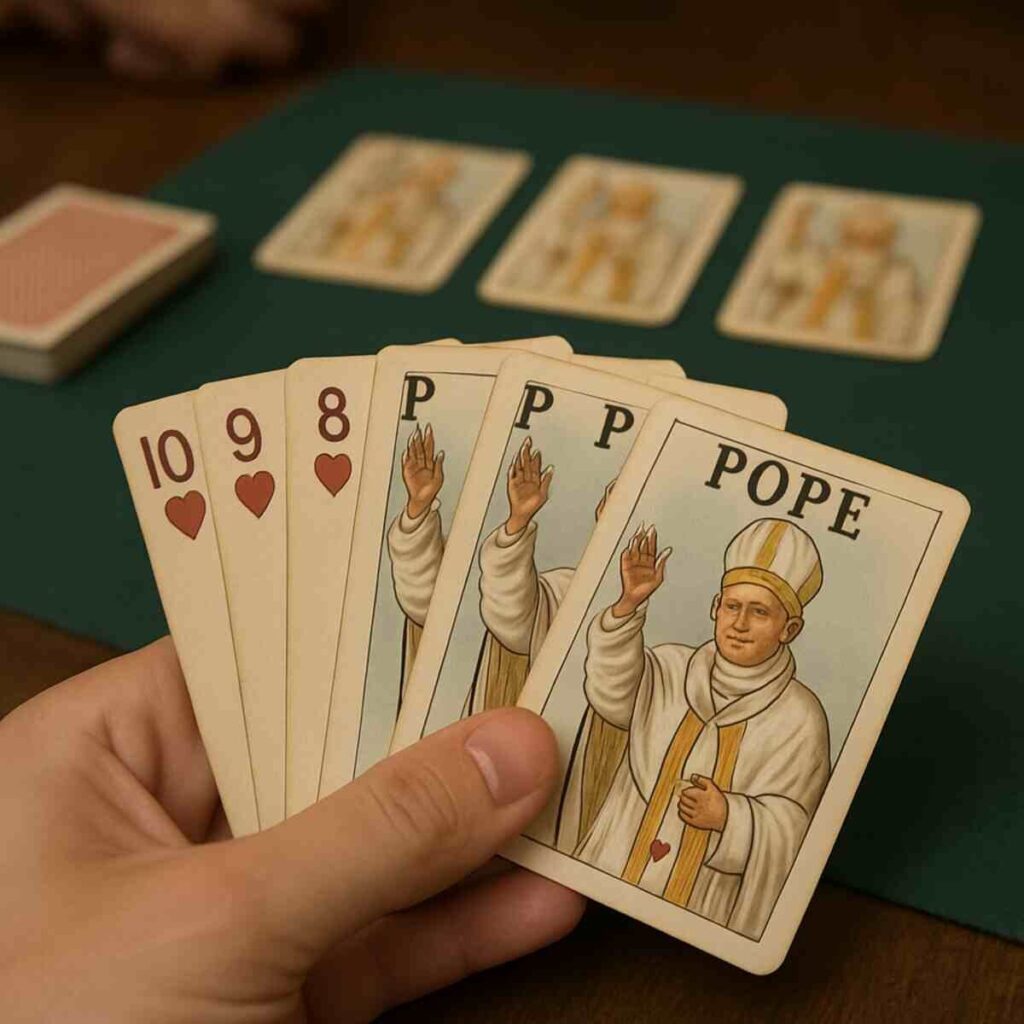
Practice Makes Perfect
Like any other game, practice is key to mastering the Pope card game. Play regularly to hone your skills and test out different strategies. The more you play, the better you’ll become at reading the game and anticipating your opponents’ moves.
Building Experience
Experience is one of the greatest teachers. By playing regularly, you gain insights into the game’s intricacies and develop a deeper understanding of effective strategies. This experience is invaluable for refining your approach and improving your gameplay.
Experimenting with Strategies
Don’t be afraid to experiment with different strategies during practice games. Trying new tactics can reveal unexpected strengths and weaknesses, allowing you to refine your approach and discover what works best for you.
Learning from Mistakes
Every game offers opportunities to learn from mistakes. Reflect on your gameplay to identify areas for improvement and adjust your strategies accordingly. Embracing mistakes as learning experiences is key to growth and development.
Tips for Beginners
If you’re just starting, here are a few tips to keep in mind:
- Start Simple: Focus on understanding the rules and getting comfortable with the gameplay.
- Watch and Learn: Observe how experienced players strategize and try to incorporate some of their tactics into your game.
- Ask for Feedback: Don’t hesitate to ask for feedback from more experienced players. They can provide valuable insights that can help you improve.
Embracing the Learning Curve
Every beginner faces a learning curve, but embracing it is essential. Approach each game with an open mind and a willingness to learn. This mindset will help you progress quickly and enjoy the journey of mastering the Pope card game.
Building a Foundation
Focus on building a solid foundation by mastering the basic rules and mechanics of the game. Once you’re comfortable with the fundamentals, you’ll have a strong base to build upon as you explore more advanced strategies.
Seeking Guidance
Don’t hesitate to seek guidance from experienced players. They can offer valuable insights, tips, and tricks that can accelerate your learning process. Engaging with the community can enhance your understanding and enjoyment of the game.
Conclusion
Mastering the Pope card game is all about blending strategic thinking with a bit of luck and a dash of creativity. Whether you’re playing to win or just for fun, these strategies will help you elevate your game and keep you engaged. So grab a deck of cards, gather your friends, and get ready to play like a pro. Happy gaming!
And remember, every great player started as a beginner. Keep practicing, stay curious, and most importantly, have fun!