

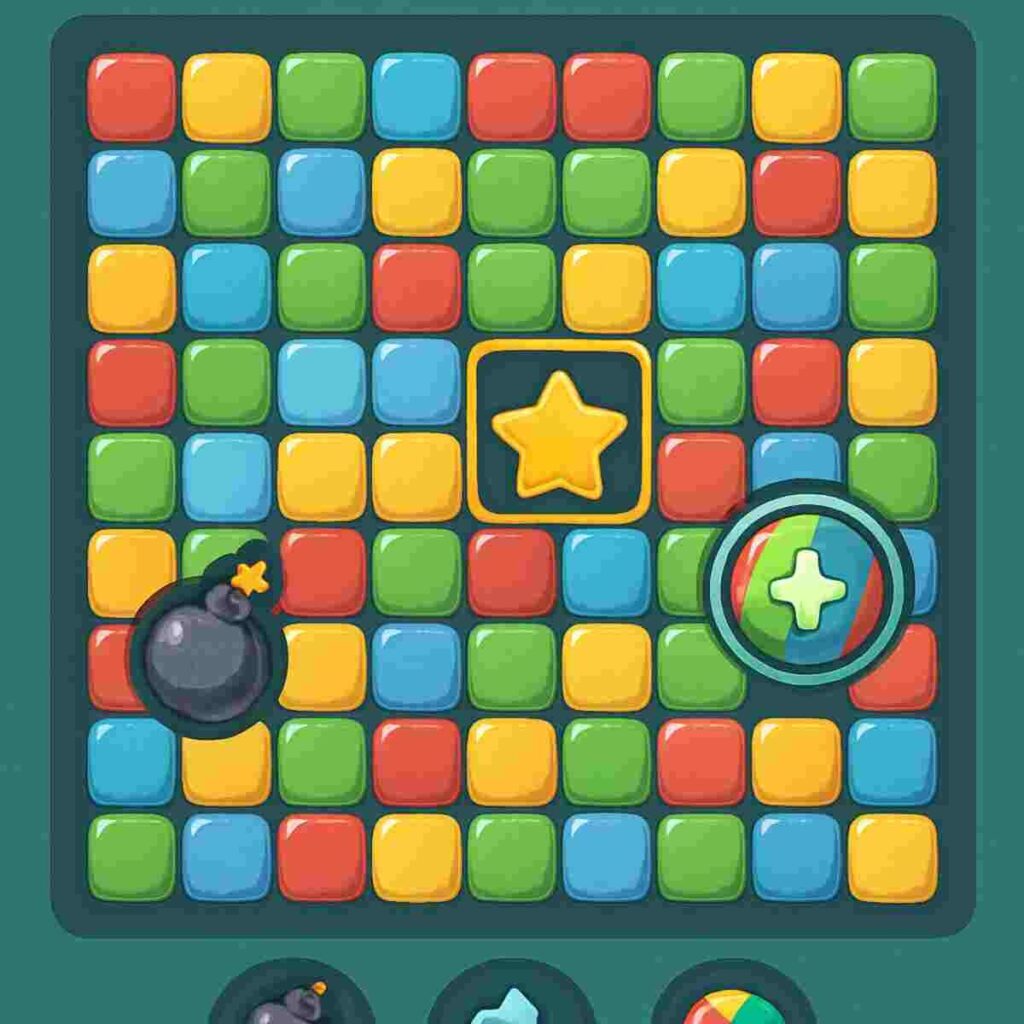
Collapse games are a type of puzzle game where the objective is to clear a board of tiles by clicking on groups of the same color. The bigger the group you clear, the more points you score. Sounds simple, right? But as you progress, the challenge ramps up, requiring strategic thinking and quick reflexes. Check out DAFTAR FLORA77 to know more
Basic Mechanics
At its core, the gameplay revolves around a simple concept: matching colors. This simplicity is deceptive, as players soon realize that each click requires foresight. Planning ahead to create larger groups can lead to higher scores, making every move crucial.
Scoring System
The scoring in collapse games often rewards players for strategic planning. Clearing larger groups not only offers more points but can also create chain reactions, leading to combo bonuses. Mastery of these scoring strategies is key to excelling in the game.
Increasing Challenges
As players advance, the games introduce new elements that increase difficulty. This could include obstacles, limited moves, or time constraints. These challenges keep players engaged, pushing them to refine their strategies and improve their skills.
The Humble Beginnings
The concept of collapse games originated in the early 2000s. Back then, these games were simple, often featuring basic graphics and straightforward gameplay. The charm of these games lay in their simplicity, allowing players to jump in and start playing without any complicated instructions.
Origins of the Genre
The first collapse games were inspired by earlier puzzle games, borrowing elements from classics like Tetris. Developers aimed to create something that was both accessible and challenging, striking a balance that could appeal to a wide audience.
Classic Features
- Intuitive Mechanics: Click to collapse groups of colored tiles. The simplicity of this mechanic made it easy for players of all ages to understand and enjoy. Despite the simplicity, mastering the timing and strategy provided a rewarding experience.
- Increasing Difficulty: Levels get progressively harder, requiring more strategy. Early levels often served as a tutorial, easing players into the game’s mechanics. As players advanced, they encountered more complex patterns and obstacles.
- Addictive Gameplay: Easy to learn but hard to master. The blend of simplicity and challenge created a game that was easy to pick up but difficult to put down. Players often found themselves playing “just one more round” in pursuit of a higher score.
The Role of Early Technology
Early collapse games were limited by the technology of the time. Graphics were basic, and sound effects were minimal, yet these limitations didn’t detract from the fun. Instead, they contributed to the game’s charm, making it a nostalgic experience for many.
The Online Revolution
As internet technology advanced, so did collapse games. Developers began to create online versions of these games, allowing players to enjoy them for free, without the need to download any software. This accessibility contributed to their popularity, as players could easily share and compete with friends.
Key Developments
- Free Online Access: No downloads necessary, just jump into the game. The ability to play directly in a browser removed barriers to entry, attracting a larger audience. Players appreciated the convenience of being able to play from any device with internet access.
- Global Leaderboards: Compete against players worldwide. Leaderboards added a competitive element, encouraging players to improve their scores. This global competition fostered a sense of community among players, united by their love of the game.
- Social Sharing: Share your scores and challenge friends. Integration with social media platforms made it easy to share achievements and challenge friends. This social aspect added a new dimension to the gameplay, as players sought to outdo each other.
The Rise of Multiplayer Modes
As online capabilities expanded, developers introduced multiplayer modes. These allowed players to compete head-to-head or collaborate in real-time, adding a new layer of excitement and interaction to the games.
Technological Advancements
The shift to online platforms brought with it improved graphics and sound. Developers leveraged these advancements to create more visually appealing games, enhancing the overall player experience.
Modern Twists on a Classic Genre
With the rise of mobile gaming and advanced browser capabilities, modern collapse games have introduced new features to keep players hooked. From power-ups and special tiles to intricate storylines and character progression, these games have evolved significantly.
Exciting New Features
- Power-Ups: Boost your score with special abilities. Power-ups add a strategic element, allowing players to clear tiles more efficiently or earn bonuses. The strategic use of power-ups can be the difference between a good score and a great one.
- Storylines: Engage with characters and narratives. Incorporating narratives adds depth to the gameplay, giving players a reason to keep playing beyond just high scores. Characters and story arcs can create emotional investment, making the game more engaging.
- Daily Challenges: Keep players coming back for more. Daily challenges offer fresh content and rewards, encouraging players to return regularly. These challenges often vary in difficulty, providing something for both new and experienced players.
Mobile Gaming Boom
The widespread adoption of smartphones has been a boon for collapse games. The touch-screen interface is perfect for the game’s mechanics, and the portability of mobile devices means players can enjoy a game anytime, anywhere.
Integration with Other Genres
Modern collapse games often incorporate elements from other genres, such as role-playing or adventure. This fusion creates unique gameplay experiences that appeal to a broader range of players.
The Impact on Gaming Culture
Collapse games have not only entertained millions but have also influenced the broader gaming culture. Their easy accessibility and addictive nature have made them a staple in casual gaming, inspiring countless other puzzle games.
Cultural Significance
- Casual Gaming Boom: Encouraged a wider audience to explore online games. The simplicity and accessibility of collapse games opened the door for many to explore the world of gaming. As a result, the casual gaming market has grown exponentially, influencing the development of other genres.
- Inspiration for Developers: Led to the creation of new puzzle genres. Many developers have drawn inspiration from the success of collapse games, leading to innovations in game design. The genre’s mechanics have been adapted and expanded upon, contributing to the evolution of puzzle games as a whole.
- Community Building: Fostered online communities and social interaction. Online leaderboards and social features have created thriving communities of players. These communities often share strategies and tips, further enhancing the gaming experience.
Influence on Game Design
The success of collapse games has had a lasting impact on game design. Developers have learned the importance of balancing simplicity with depth, creating games that are easy to learn but challenging to master.
Educational Applications
The mechanics of collapse games, which require strategic thinking and planning, have been used in educational settings. These games can help develop problem-solving skills, making them a valuable tool in learning environments.
Tips for Aspiring Game Developers
If you’re inspired by collapse games and want to create your own, here are some tips to get you started:
Start Simple
Begin with a basic concept and gradually add complexity. Focus on creating a fun and addictive core gameplay loop before adding extra features.
- Establish Core Mechanics: Identify the key elements that make your game fun and engaging. Test different variations of these mechanics to find the most compelling version. Ensure that your game is accessible to players of all skill levels.
- Iterate on Design: Use player feedback to refine your mechanics. Early testing can help identify areas for improvement and guide the development process. Be open to making changes based on player input to enhance the overall experience.
- Avoid Feature Overload: Keep initial versions of your game simple. Focus on perfecting the core gameplay before adding additional features. This allows you to maintain clarity in design and avoid overwhelming players.
Engage Your Audience
Think about what keeps players coming back. This could be daily challenges, leaderboards, or engaging storylines.
- Create Compelling Content: Develop challenges and rewards that motivate players. Regular updates and new content can keep the game fresh and engaging. Consider incorporating player feedback to tailor content to your audience.
- Foster Community: Encourage social interaction and competition. Features like leaderboards and multiplayer modes can enhance the social aspect of your game. Building a community around your game can lead to increased player retention.
- Tell a Story: Integrate narratives to add depth to your game. Characters and storylines can create emotional connections with players. A well-crafted story can enhance the overall gaming experience.
Test and Iterate
Gather feedback from players and continuously refine your game. The best games are those that evolve based on player input.
- Conduct Playtests: Regular testing can provide valuable insights into player behavior. Observing how players interact with your game can highlight areas for improvement. Use feedback to guide iterations and enhance the player experience.
- Stay Open to Change: Be willing to adapt your game based on player feedback. Flexibility in design can lead to a more refined and enjoyable game. Embrace constructive criticism as an opportunity for growth.
- Focus on User Experience: Prioritize player enjoyment in your design. Ensure that your game is intuitive and accessible to a wide audience. Strive to create an experience that players will want to return to.
The Future of Collapse Games
As technology continues to advance, the potential for collapse games is limitless. We can expect to see more innovative features, integration with virtual and augmented reality, and even more engaging ways to play.
What Lies Ahead?
- Virtual Reality (VR): Imagine collapsing tiles in an immersive 3D environment.VR technology can add a new dimension to the gameplay, creating a more immersive experience. The tactile nature of VR can enhance the satisfaction of collapsing tiles.
- Augmented Reality (AR): Bring the game into the real world with AR technology.AR can transform everyday environments into interactive game spaces. This technology can create unique and engaging gameplay experiences.
- AI Integration: Smarter game mechanics and personalized challenges. AI can adapt the game to individual player skill levels, providing tailored challenges. This technology can enhance the overall experience by making the game more responsive and engaging.
Potential for Cross-Platform Play
As technology evolves, we may see more collapse games offering cross-platform play. This would allow players to enjoy their favorite games on any device, from PCs to consoles to mobile phones.
Expanding the Genre
Developers may explore new ways to expand the genre, incorporating elements from other types of games. This could lead to innovative gameplay experiences that appeal to a diverse audience.
Conclusion
From their humble beginnings to their current status as a beloved online pastime, collapse games have come a long way. Whether you’re a casual gamer looking to pass the time or a developer looking to create the next big hit, the world of collapse games offers endless possibilities.
So, next time you find yourself with a few spare minutes, why not dive into a collapse game online free? You never know, you might just get hooked!
